Private Tour to admire the Grandeur of Mysore from Bangalore
Embark on a day excursion from Bangalore to Mysore. Explore Srirangapatna, Somnathpur, Mysore Palace, Chamundi Hill, Sand Museum, St. Philomena's Church, and Devaraja Market on this tour.
A Day Excursion from Bangalore to Mysore: A Journey through History, Culture, and Splendor
The day began early in Bangalore, as the vibrant city still slumbered under a blanket of pre-dawn mist. We set out for Mysore, a city of royalty, grandeur, and architectural elegance, which lies around 150 km away. The cool breeze accompanied us along the highway, as the sights and sounds of the bustling city soon gave way to the verdant countryside.
Stop 1: Srirangapatna – The Island Fortress of Tipu Sultan
Our first destination, Srirangapatna, appeared like a page torn from history. This river island on the Kaveri, steeped in valor and legacy, was once the capital of Tipu Sultan. As we drove into the town, the serene landscape belied its turbulent past, where the famous Anglo-Mysore wars once raged.
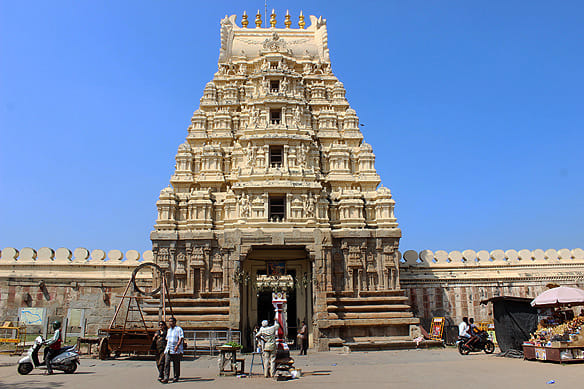
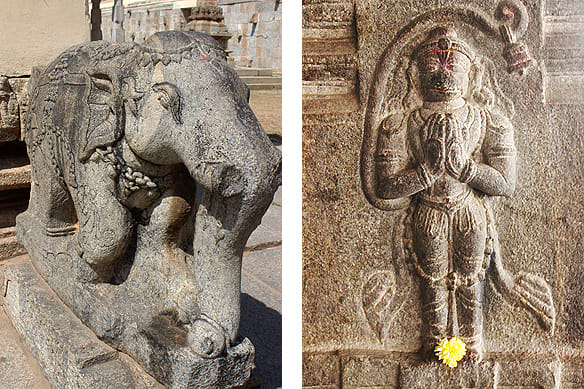
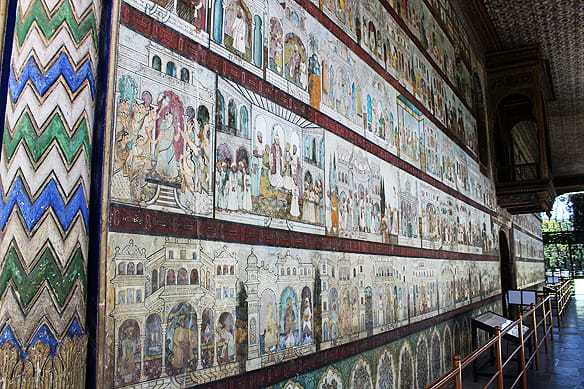
We visited the **Ranganathaswamy Temple**, a stunning example of Dravidian architecture, dedicated to Lord Vishnu. The temple’s ancient carvings and detailed artwork brought history to life. From here, we explored **Daria Daulat Bagh**, Tipu Sultan’s summer palace. Built of teakwood, its walls came alive with intricate murals depicting battles and royal life.
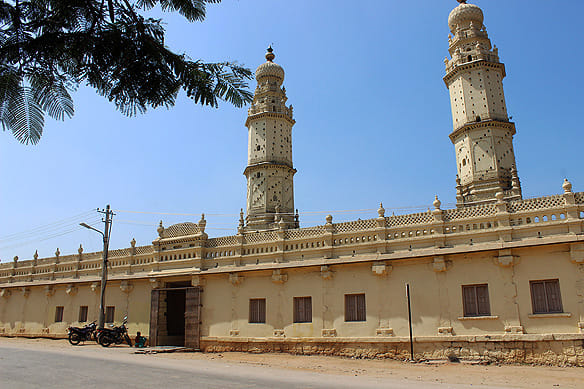
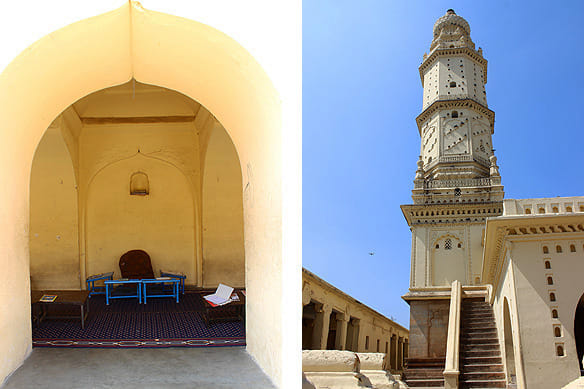
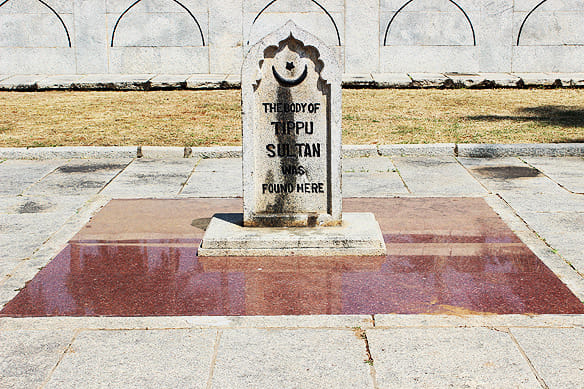
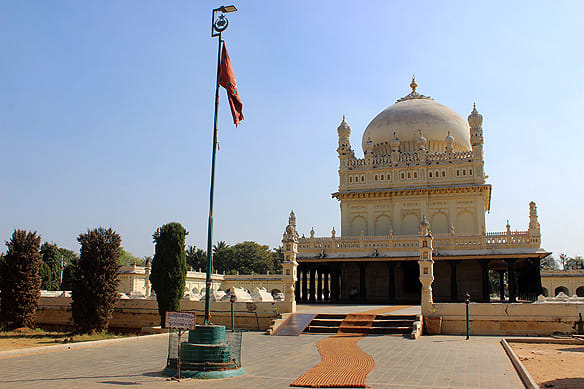
Before leaving Srirangapatna, we made a stop at **Gumbaz**, the mausoleum of Tipu Sultan, his father Hyder Ali, and his mother. The peaceful atmosphere here, surrounded by lush greenery, was a poignant contrast to the tales of battle and sacrifice.
Stop 2: Somnathpur – A Marvel of Hoysala Architecture
Our next stop was **Somnathpur**, a small village renowned for the breathtaking **Chennakesava Temple**, a masterpiece of Hoysala architecture. Built in the 13th century, the temple’s star-shaped structure and the detailed stone carvings were mesmerizing. Every inch of the temple's exterior walls was adorned with elaborate depictions of gods, goddesses, dancers, musicians, and scenes from Hindu mythology. It was astonishing to imagine the craftsmanship that went into such intricate designs.
Stop 3: Mysore Palace – The Jewel of Mysore
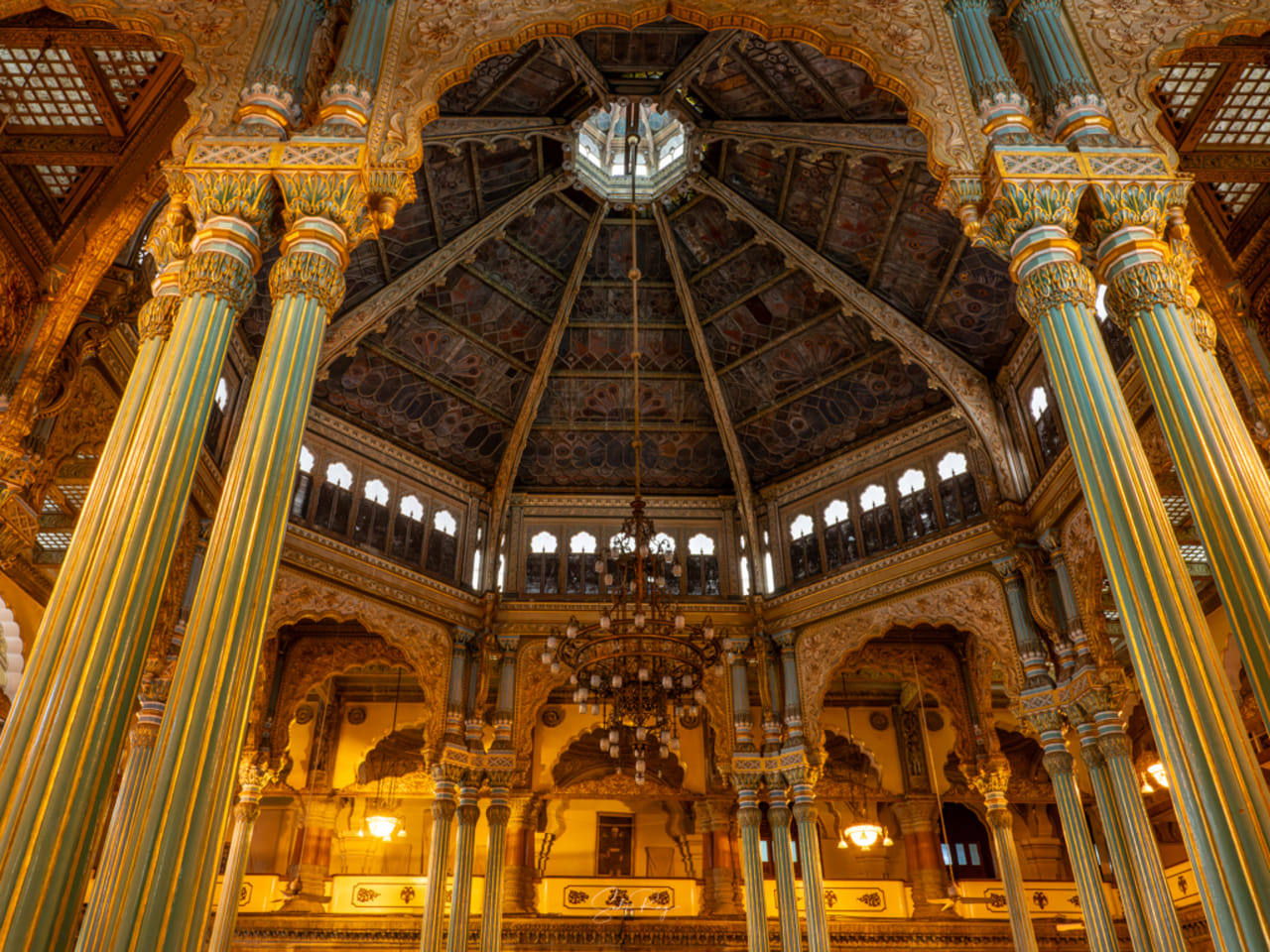
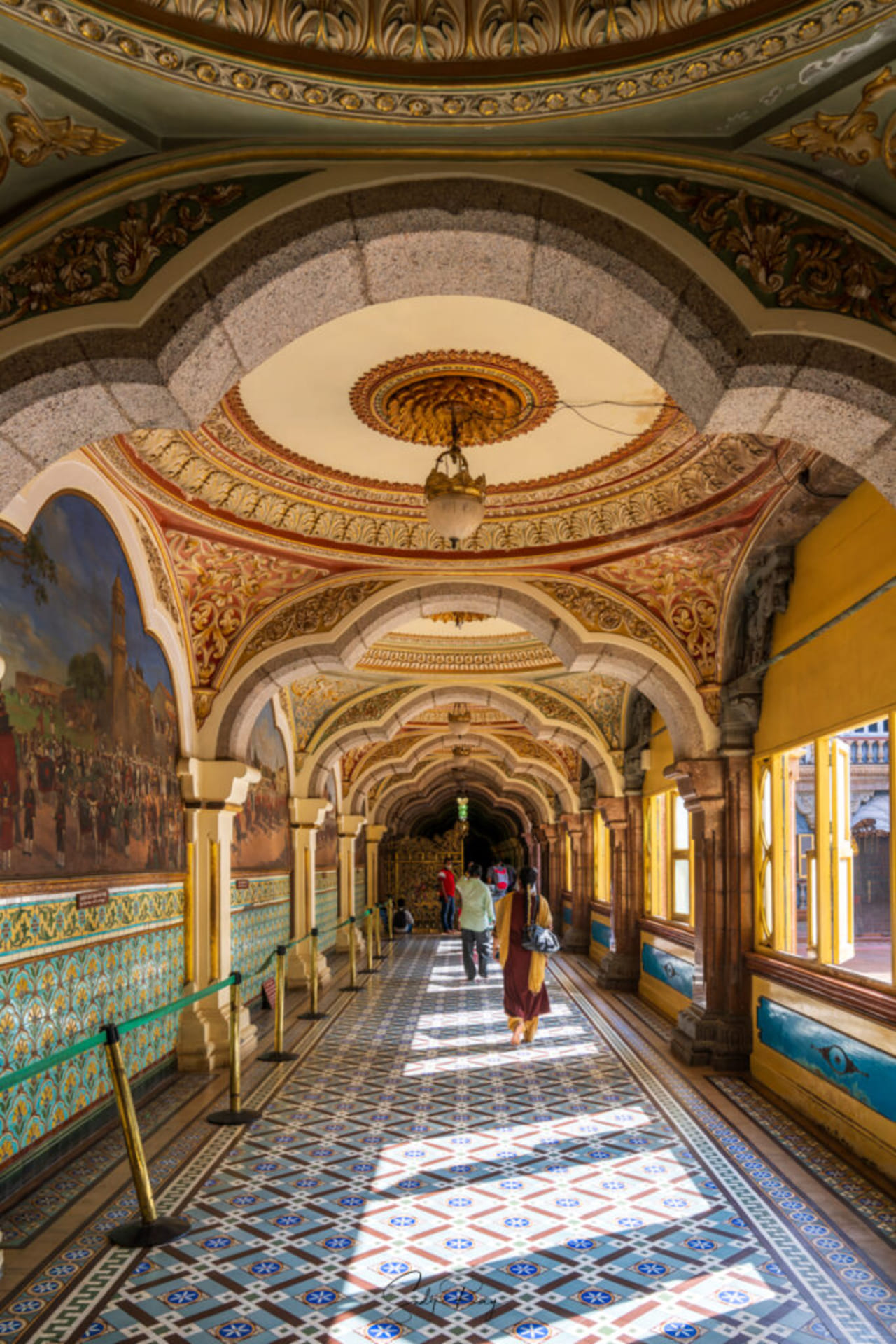
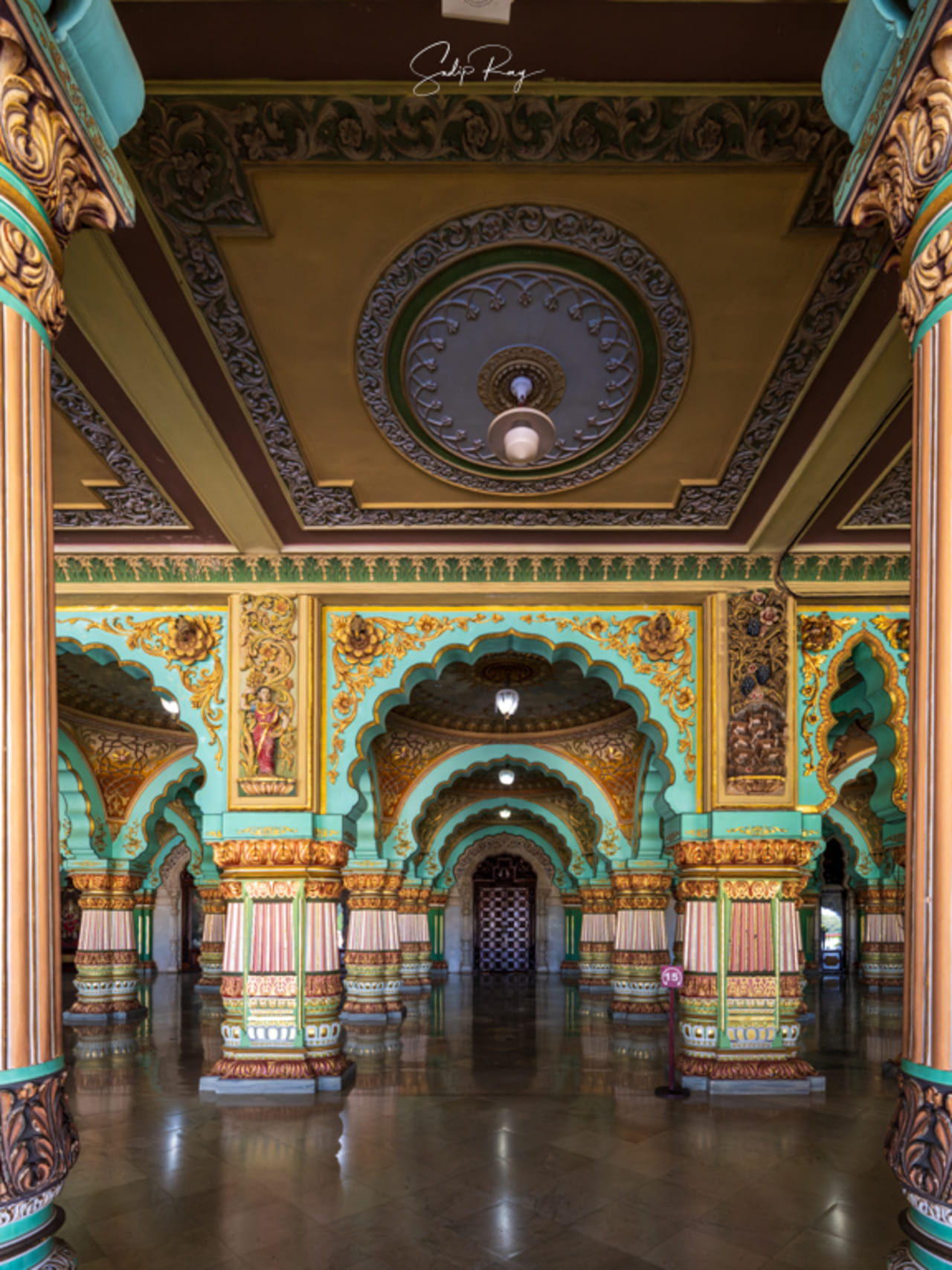
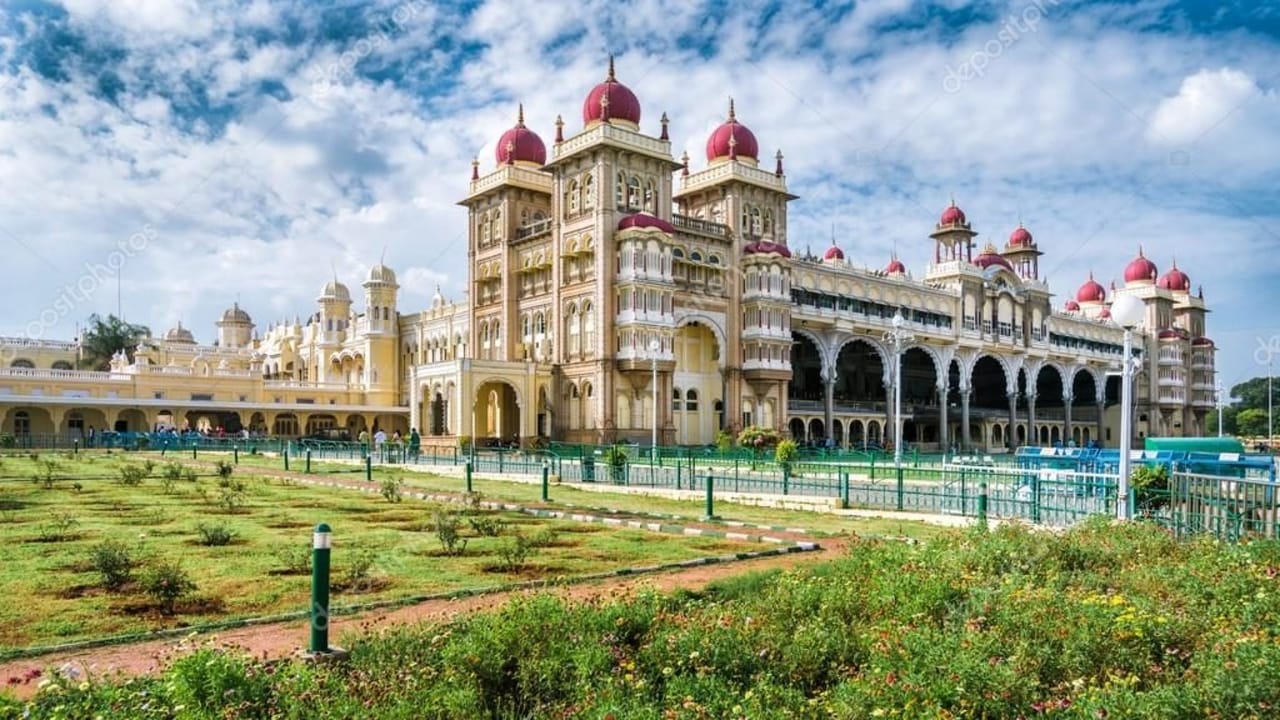
Continuing our journey, we arrived in Mysore, where the magnificent **Mysore Palace** awaited us. The palace, a blend of Indo-Saracenic architecture, stood majestically in the heart of the city, radiating opulence and splendor. As we entered its grand halls, the intricately designed ceilings, stained glass windows, and the stunning collection of royal artifacts took us back to the time of the Wodeyar dynasty. The **Ambavilasa Hall**, with its glittering chandeliers and inlaid doors, was particularly awe-inspiring.
The royal throne room, Darbar Hall, exuded a sense of power and prestige, while the palace’s façade—especially when lit up in the evenings—was an unforgettable sight, sparkling like a golden crown.
Stop 4: Chamundi Hill – The Sacred Abode of Goddess Chamundeshwari
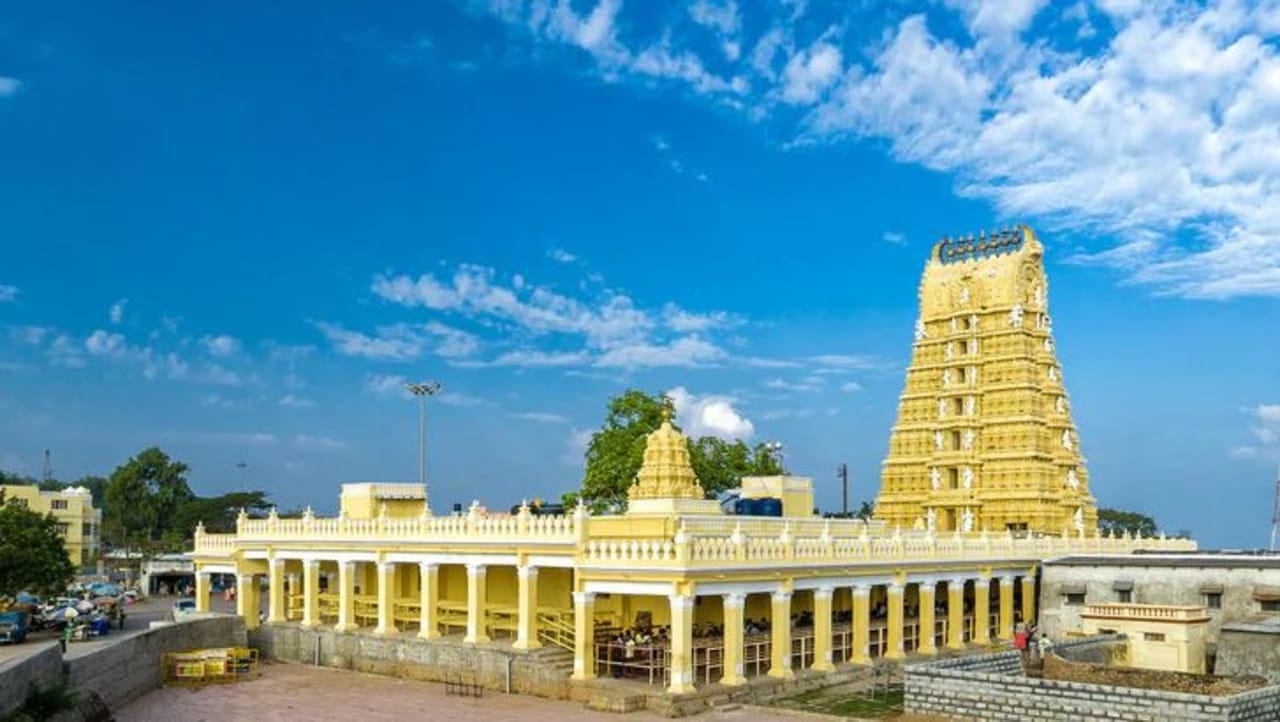
No trip to Mysore is complete without visiting **Chamundi Hill**, which towers over the city. The winding road to the top provided stunning panoramic views of Mysore below. At the summit, we visited the **Chamundeshwari Temple**, dedicated to the goddess Chamundi, the family deity of the Mysore rulers.
The 1,000-year-old temple, with its towering gopuram and vibrant carvings, held a deep sense of spirituality. After offering prayers, we made our way to the **Nandi Statue**, a gigantic monolithic bull that stands halfway up the hill, a symbol of strength and reverence.
Stop 5: Sand Museum – A Unique Artistic Delight
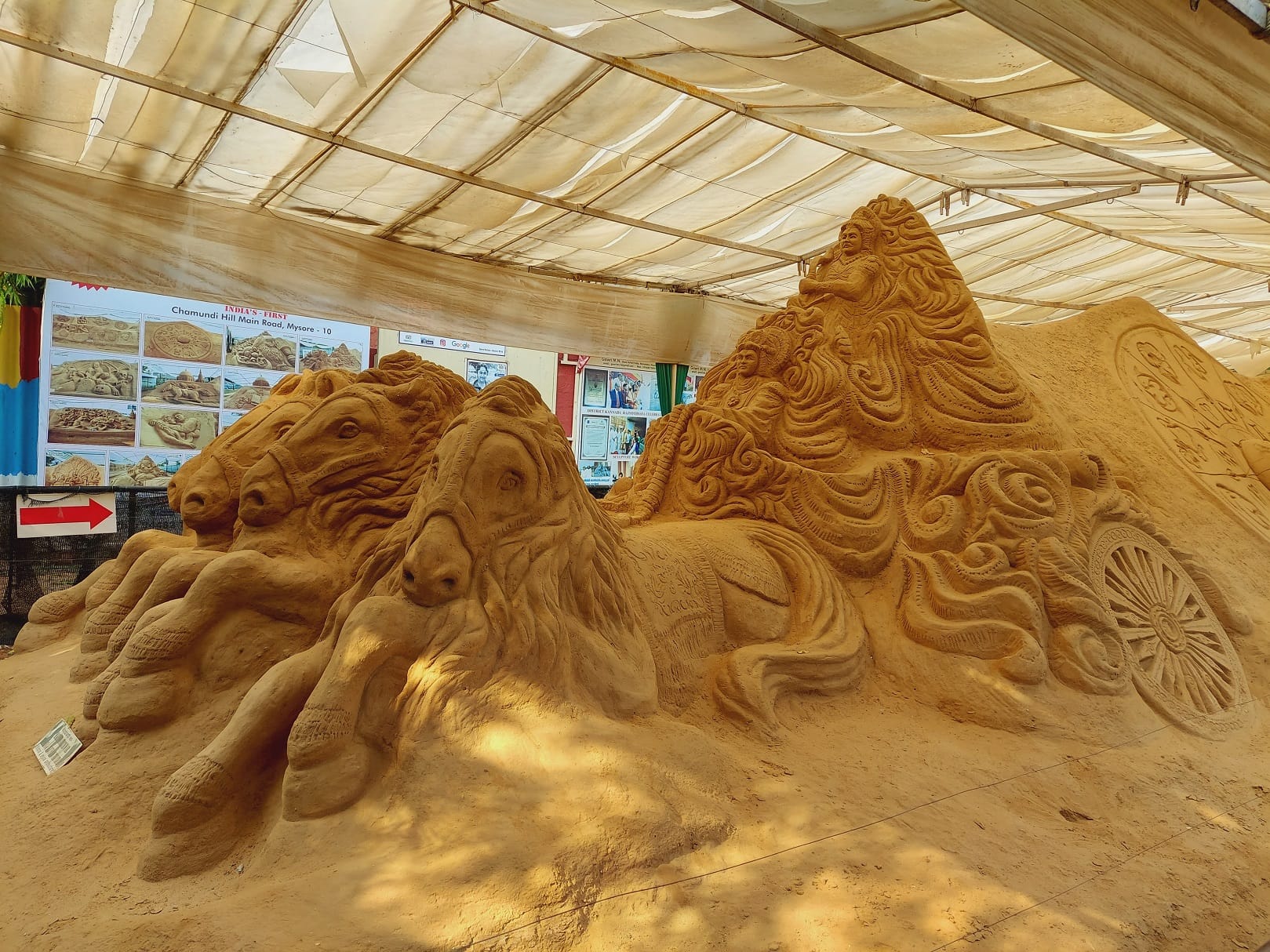
Our next stop was something more unusual: the **Sand Museum**. This creative space showcases intricately crafted sand sculptures, each more impressive than the last. Themes ranged from mythology and wildlife to historical events. It was fascinating to see such delicate and detailed work done purely from sand. The skill and patience involved in creating these transient masterpieces were truly admirable.
Stop 6: St. Philomena’s Church – Gothic Grandeur
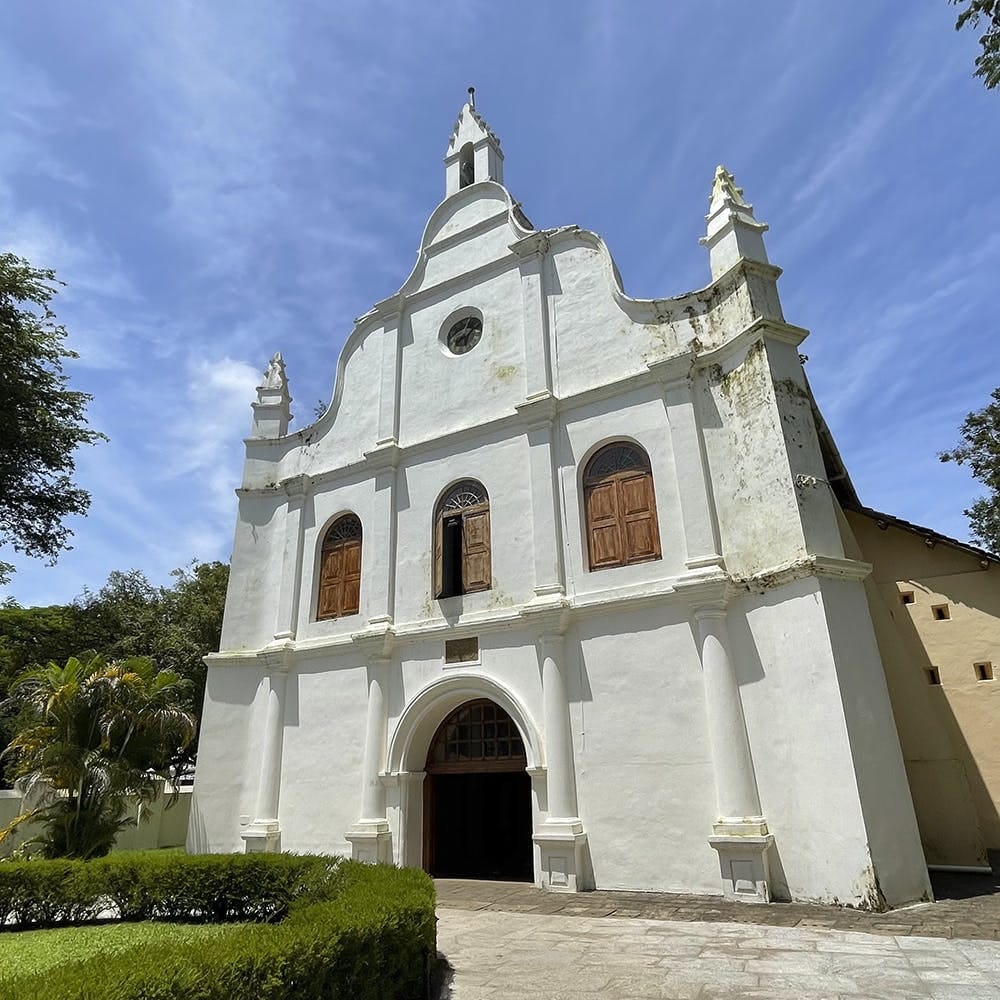
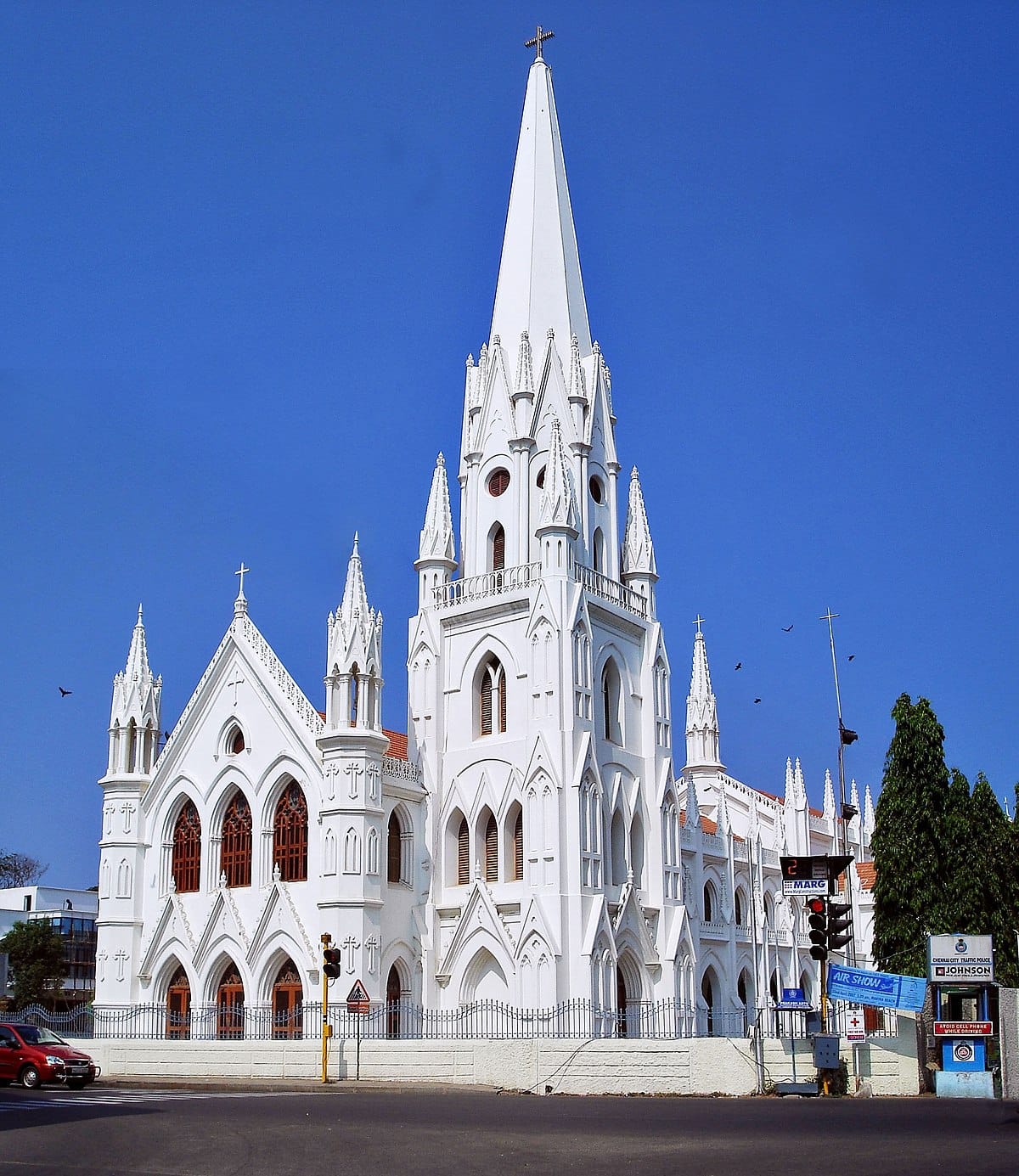
Next, we visited **St. Philomena’s Church**, one of the largest churches in India. Its twin spires soared into the sky, reminiscent of European Gothic cathedrals. Inside, the stained glass windows depicted scenes from Christ's life, and the cool interiors provided a peaceful sanctuary. The church’s imposing structure and serene ambiance made it a stark yet beautiful contrast to the temples and palaces we had seen so far.
Stop 7: Devaraja Market – A Burst of Colors and Fragrances
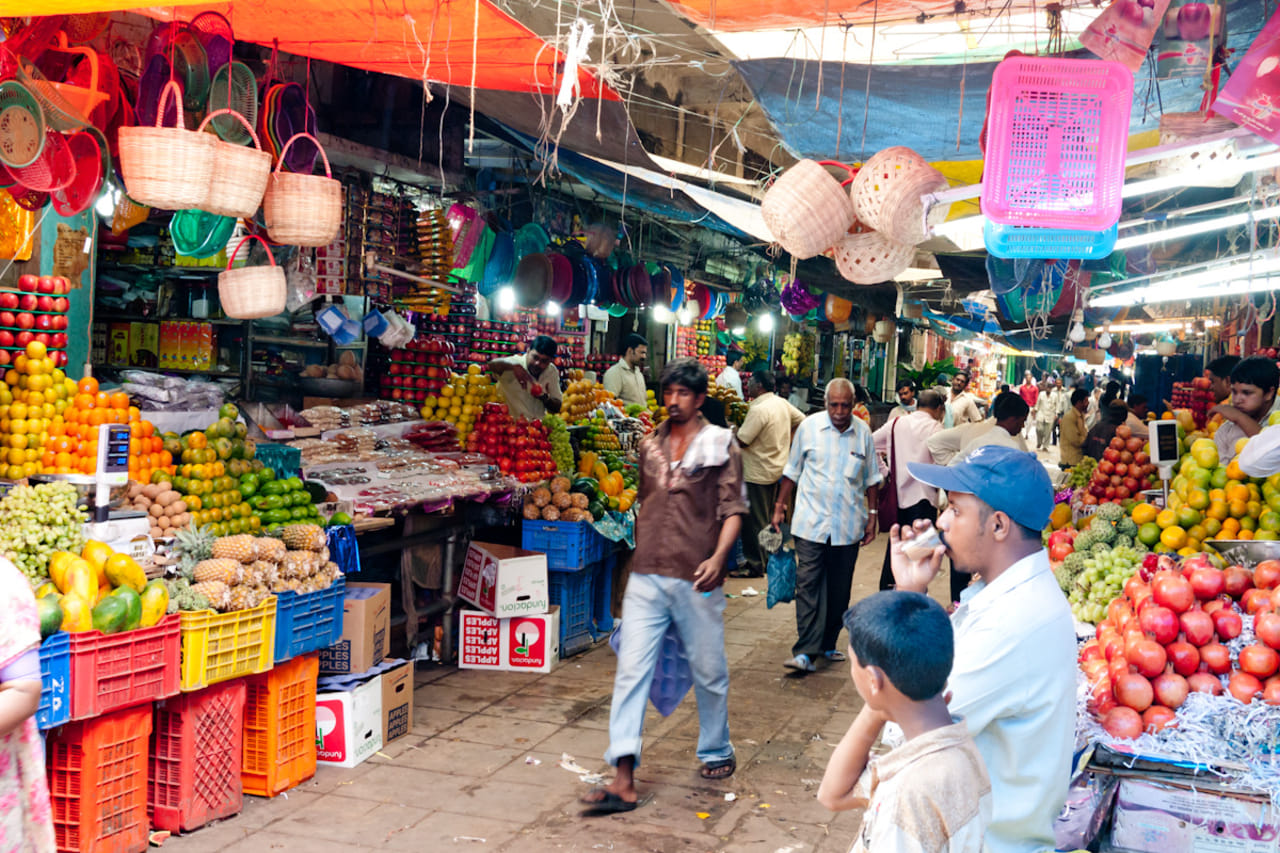
Our final stop for the day was the bustling **Devaraja Market**. This vibrant market, located in the heart of Mysore, offered a sensory explosion of sights, sounds, and smells. Piles of fresh flowers, aromatic spices, fruits, and colorful pigments were neatly arranged in stalls, each vendor eager to share the story behind their wares. The market gave us a glimpse into the daily life of Mysore’s residents, and the energy was infectious. We wandered through the aisles, soaking in the lively atmosphere and picking up some local sandalwood products and Mysore silk as souvenirs.
The Return Journey
As the sun began to set, we started our journey back to Bangalore, our minds still buzzing with the rich experiences of the day. The stories of Tipu Sultan’s bravery, the architectural marvels of Somnathpur, the opulence of the Mysore Palace, and the serenity of Chamundi Hill all blended together, creating a day that was not just a journey through space, but through time.
This day trip offered a perfect snapshot of Mysore’s cultural and historical richness, a place where every corner had a story to tell. As we left behind the city’s illuminated palace and twinkling lights, Mysore left an indelible mark on our hearts—a true gem of Karnataka, where tradition and history come together in a beautiful tapestry.